Thunder XR Productions

One Stage.

Infinite Worlds.

15,000
Sqft Stage
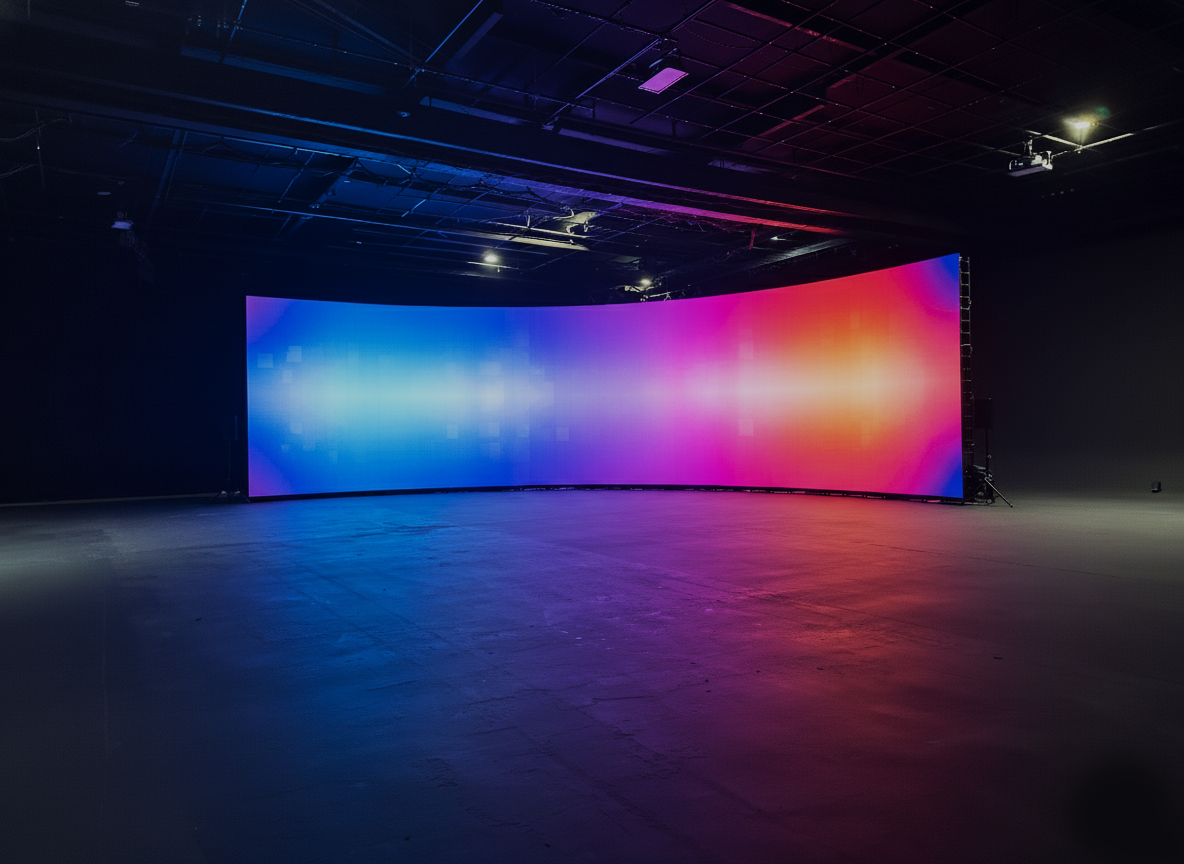
55' × 14.5'
LED Wall
8K
Resolution
Unreal
Real-Time Engine
sType
Camera Tracking
10 Gbps
Scalable Fiber
Why LED Volume?

Total Control Over Every Frame.

Real light.
Real reflections.

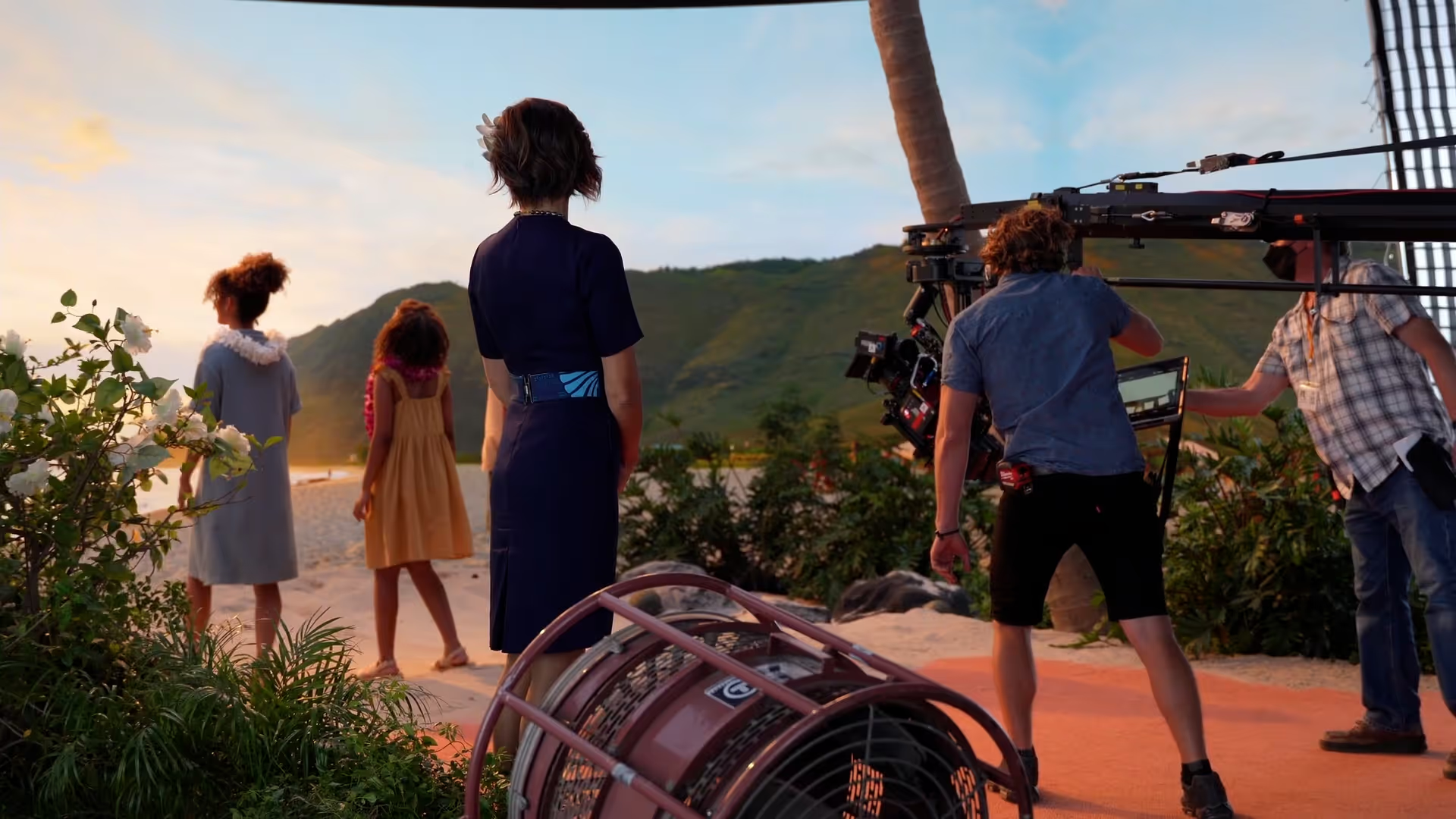
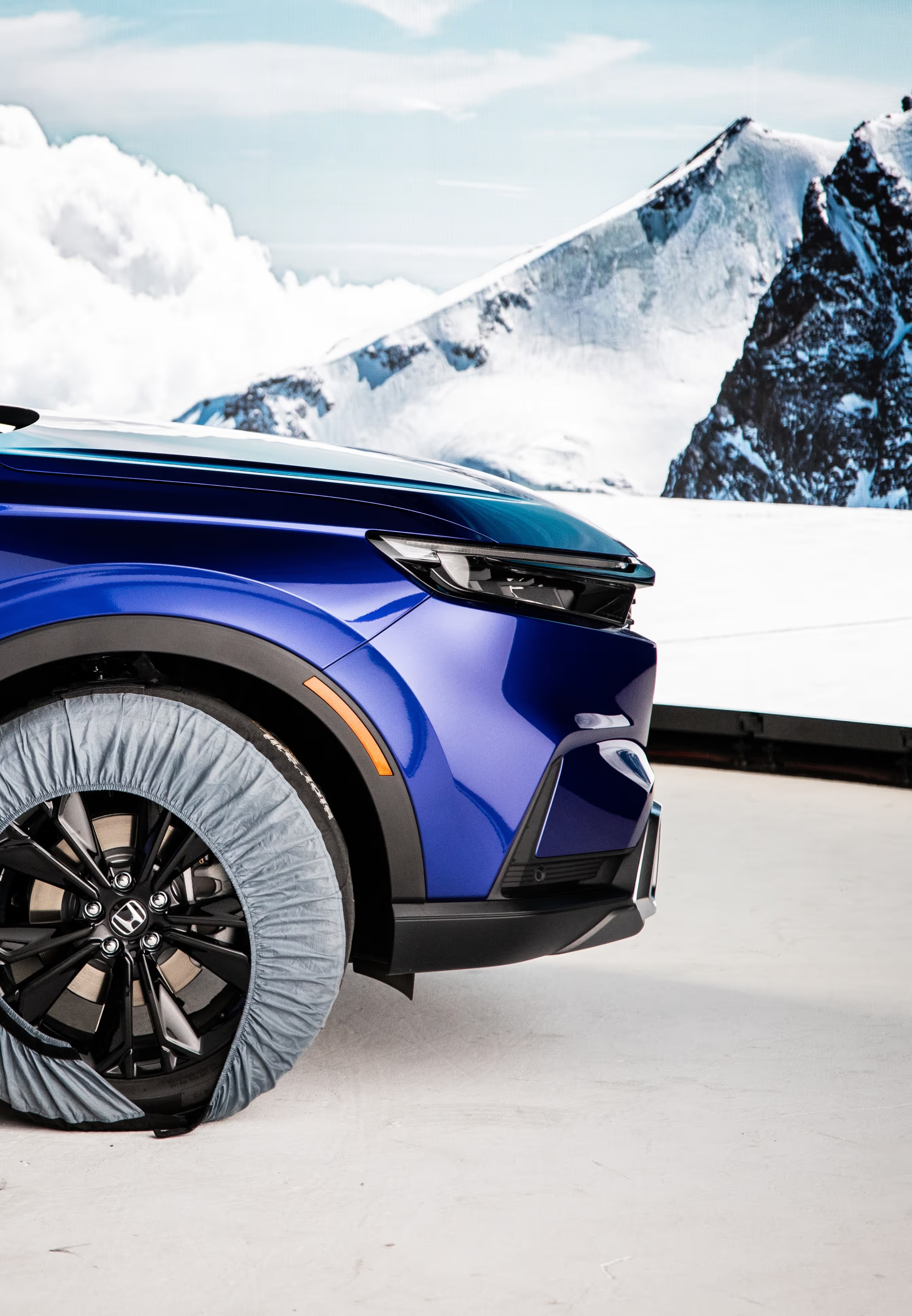
The LED wall emits actual light onto your talent and props. Bounce, fill, reflections in glass — physically real, all happening in camera.
Any location.
Same day.

Tokyo skyline. Arctic tundra. Desert highway. Switch environments between setups without leaving Long Beach.
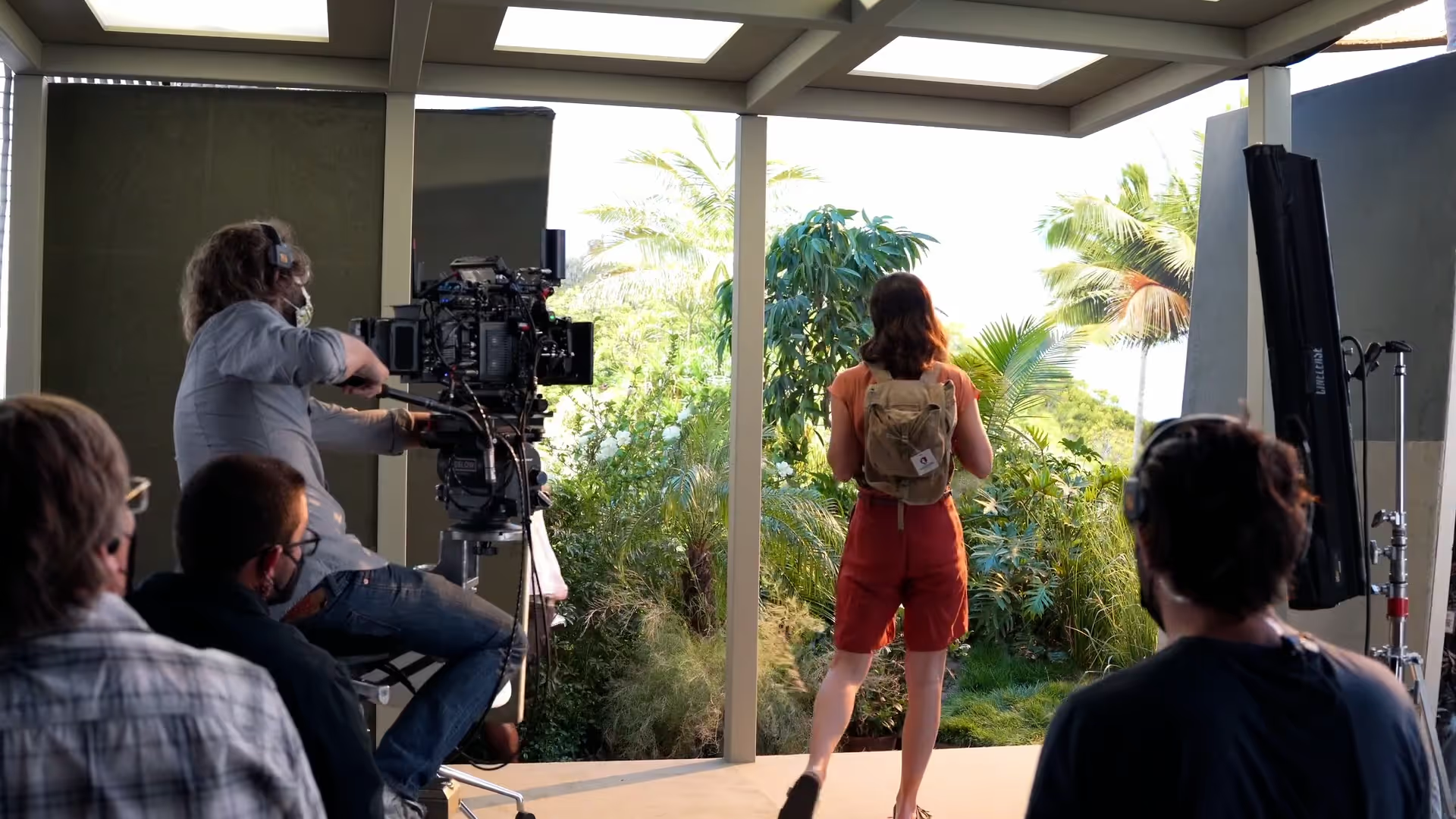
Director sees the final shot — live.

No waiting weeks for a comp. Decisions happen on set, in real time. Productions move faster and finish closer to the original vision.
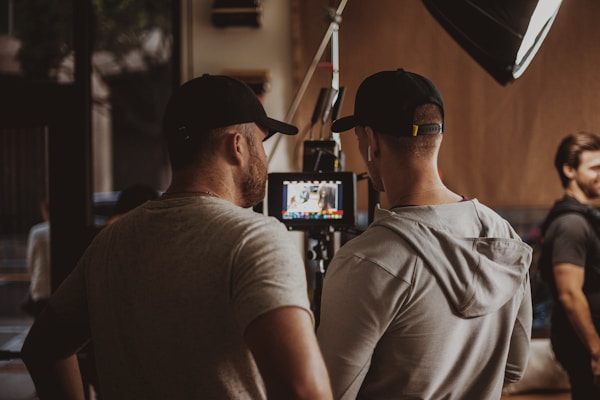
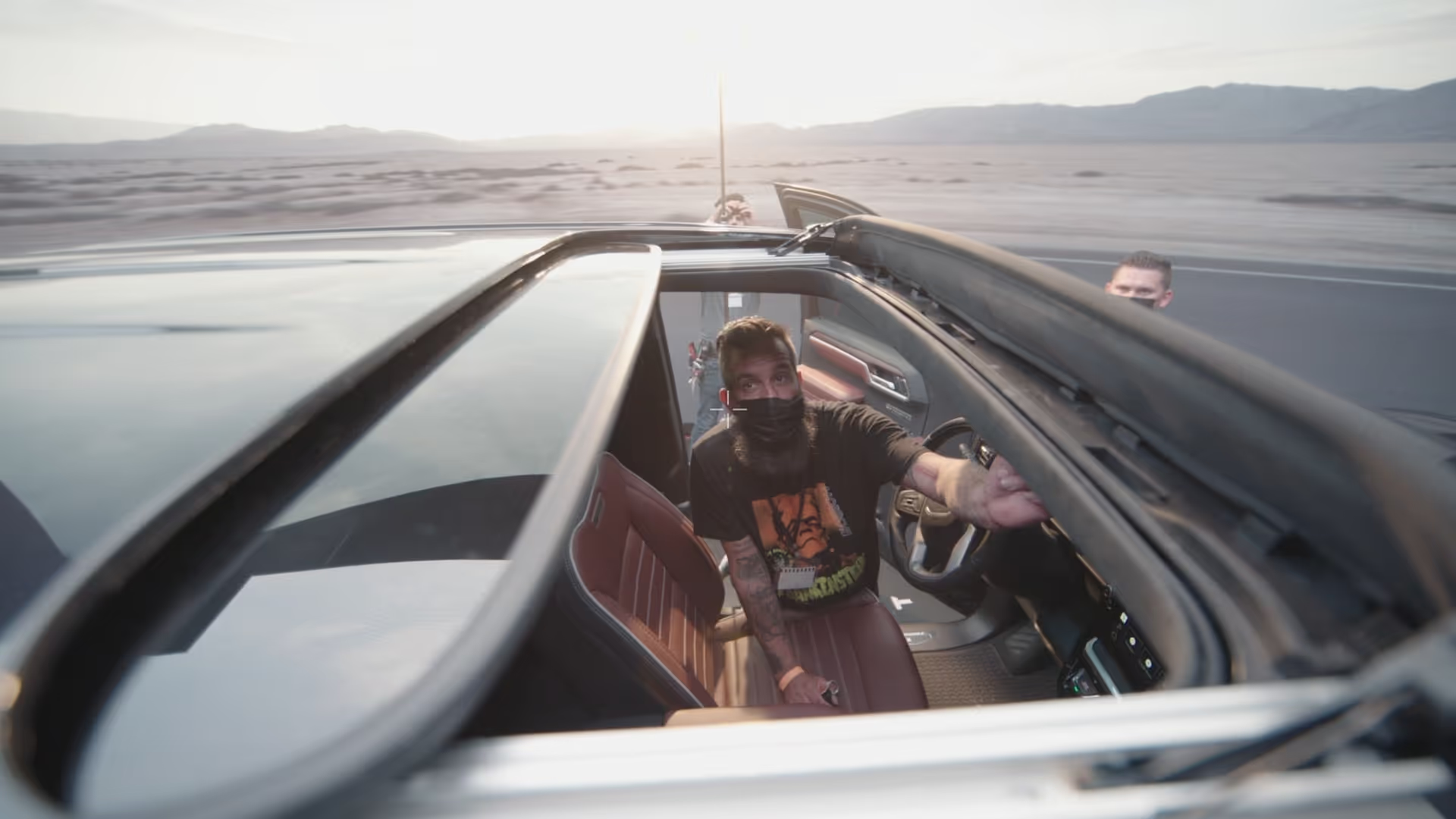
Gordon Cowie on set filming
Details

Stage Information

LED Volume
 
Wall dimensions
55'W × 14.5'H
Resolution
8K
Cyc configuration
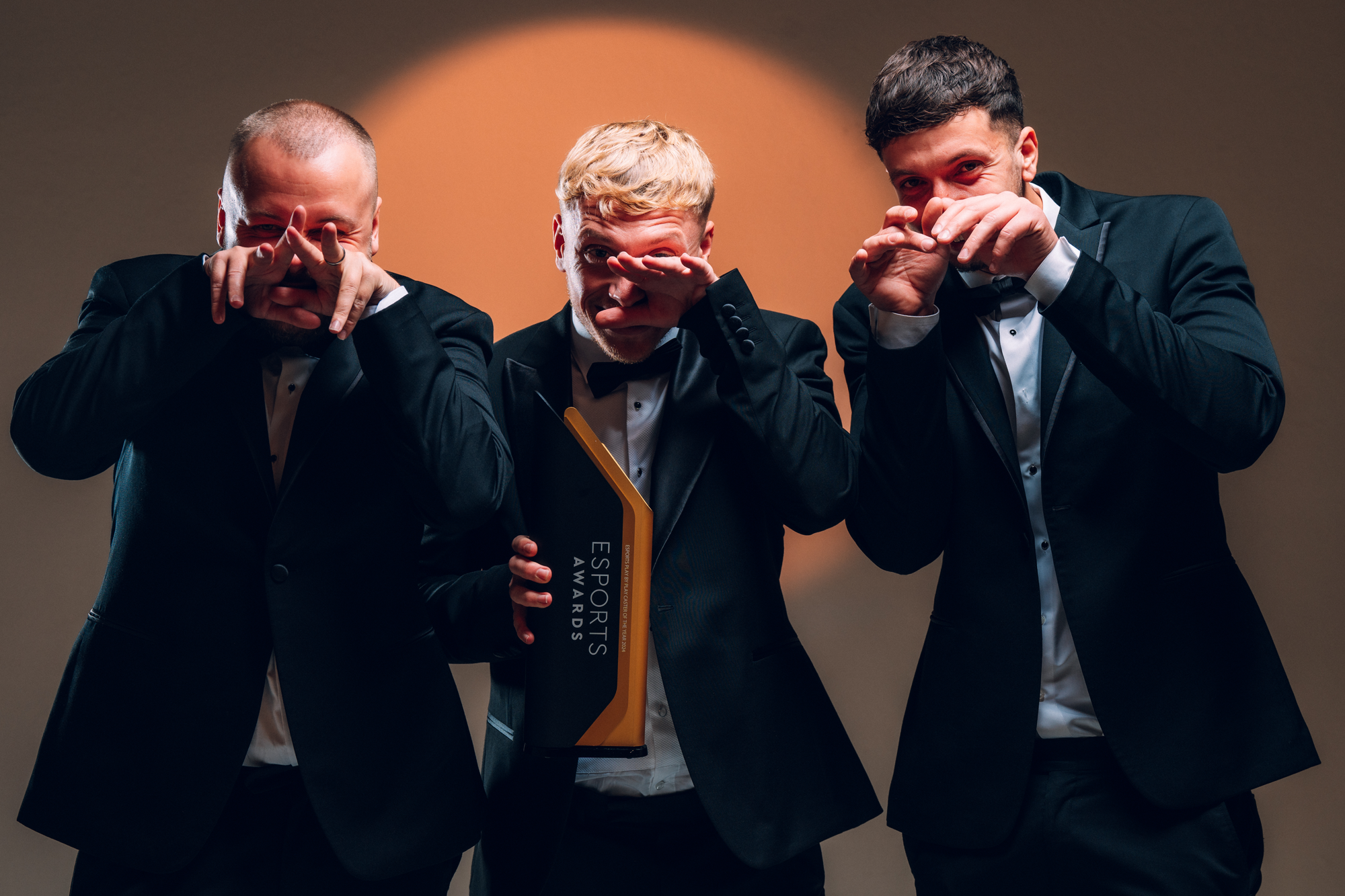
Awards Title
Technology
 
Real-time engine
Unreal Engine
Camera tracking
sType
Gantry system
Full motion
Grid
Full
Infrastructure
 
Stage size
15,000 sq ft
Soundproofing
Partial
Internet
1 Gbps fiber (10 Gbps scalable)
A/C capacity
40 tons additional
Loading
Dock-high, vehicle accessible
Production Offices
Mezzanine suite
Support rooms
Wardrobe, makeup, green room
Private Offices
Door-access suite available
How It Works

Concept to Reality in Five Steps.

01
Tech Strategy

30 minutes with our XR team. Walk through your script, environments, camera moves, and what needs to happen in-camera vs. in post. No charge. No commitment. This one call saves most productions a week of back-and-forth.

02
World Building

Your environments are integrated into Unreal Engine and calibrated to the Stage 14 LED profile. Perspective, color, and depth are locked before the first light hits the set.

03
Camera & Tracking Calibration

sType integration links your camera’s physical movement to the virtual world. It takes a full 10 hours to calibrate, ensuring your production is camera-ready before lunch.

04
Shoot Day

The director sees the final image live. The DP lights talent against a wall already providing ambient fill. Change the time of day, shift the weather, reframe the skyline between takes — all in real time, no waiting.

05
Instant Wrap

Walk off the stage with your backgrounds baked in. Footage is editorial-ready, drastically reducing your post-production pipeline and compositing costs.

Essentials

Booking FAQ

We know every project is unique, and you might have some questions before getting started.

1
Do we need to build our own Unreal environments?

Not necessarily. You can bring your own assetes or utilize our in-house World Building team to source, create, and polish assets. We'll cover the right approach during the tech consultation

2
How far in advance do environments need to be ready?

We recommend environments finalized and calibrated to Stage 14's LED profile at least one week before shoot day. This allows time for a tech rehearsal and color calibration before you have a full crew on set.

3
What cameras and lenses work best on Stage 14?

Stage 14 works with virtually all professional cinema cameras. Wider lenses above T2.8 typically produce the best results. Lenses with strong native focus breathing can complicate sType tracking — we'll walk through your specific kit on the tech call.

4
Can Stage 14 be used for live events and streaming?

Yes. Stage 14 is fully broadcast-ready and has been used for live streaming, virtual event backdrops, and hybrid in-person/broadcast experiences — with dedicated fiber, A/V support, and live streaming built in.

5
Is Stage 14 bookable for less than a full day?

All stages including Stage 14 are booked on a day-rate basis — 12 hours minimum. Given the technical setup required for XR production, most productions find a full day to be the right minimum regardless.

5
What's the fundamental difference vs. green screen?

With green screen, your background is added weeks later in post. With the LED volume, it's live on set — the director sees the final shot in real time, the wall emits actual light onto talent, and you leave shoot day with a dramatically lighter post pipeline.

5
What's the difference  between XR and LED?

The main difference is where and how the environments are created and/or sourced. XR usually involves building complex Unreal scenes, combined with precision camera tracking. LED does not (usually) include camera tracking, and can be accomplished with my traditional video and photographic backplates.

Let's chat

Ready To Book?

Tell us about your production dates, stage size, and what you're making and we'll come back to you within one business day with availability and next steps.